
Clinical Photo Protocols
Setting up a repeatable intraoral photo sequence
A consistent shot sequence turns clinical photography from a per-patient decision into a habit — here's how to build one that survives a busy Monday.
SmileSort Team · 3 February 2026 · 2 min read
Why a sequence matters more than any single shot
A single well-composed photo is easy. The hard part is taking the same set of photos, in the same order, for every patient — because that's what makes a record comparable over time, and comparable is what makes it clinically useful.
Without a fixed sequence, every patient's record ends up shaped by whatever felt urgent that day. Two years later, there's no consistent baseline to compare against.
The five-shot baseline
Most general practice cases are well served by a small, fixed set:
- Full-face, relaxed. Establishes context before anything clinical.
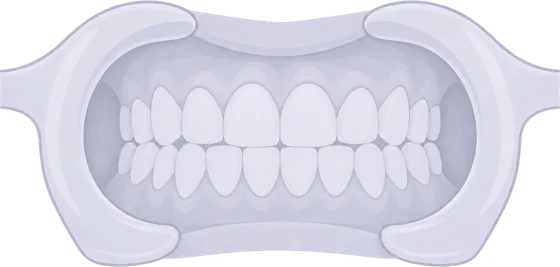
- Retracted frontal. The single most useful view for most cases.
- Right and left buccal. Occlusion from both sides, retractors in place.
- Upper occlusal. Mirror shot, arch fully visible.
- Lower occlusal. Same mirror technique, lower arch.
Five shots, not fifteen. A sequence only survives a busy clinic day if it's short enough to actually finish every time.
Keeping it consistent across patients
Consistency comes from fixed decisions made once, not judgement calls made per patient:
- The same lens and working distance every time, marked on the camera if needed.
- The same retractor size as a default, sized up only when it genuinely doesn't fit.
- The same mirror-warming step before every occlusal shot, so fogging isn't a retake reason.
Common mistakes
The most frequent failure isn't bad technique — it's an inconsistent subset. A rushed appointment skips the occlusals "just this once," and six months later that patient's record has a gap none of the others do.
The second most common mistake is treating the sequence as optional for a "quick check" appointment. The whole point of a fixed sequence is that it doesn't require a judgement call about whether this visit deserves it.
Building it into your appointment flow
The sequence works when it's attached to a step in the appointment, not to a decision. Pair it with something that already happens every time — seating the patient, or the first clinical check — so taking the photos stops being something to remember and becomes part of what that step means.